War-Driven Freight Inflation Emerges as Key Force Behind Rising Bitumen Prices in Africa
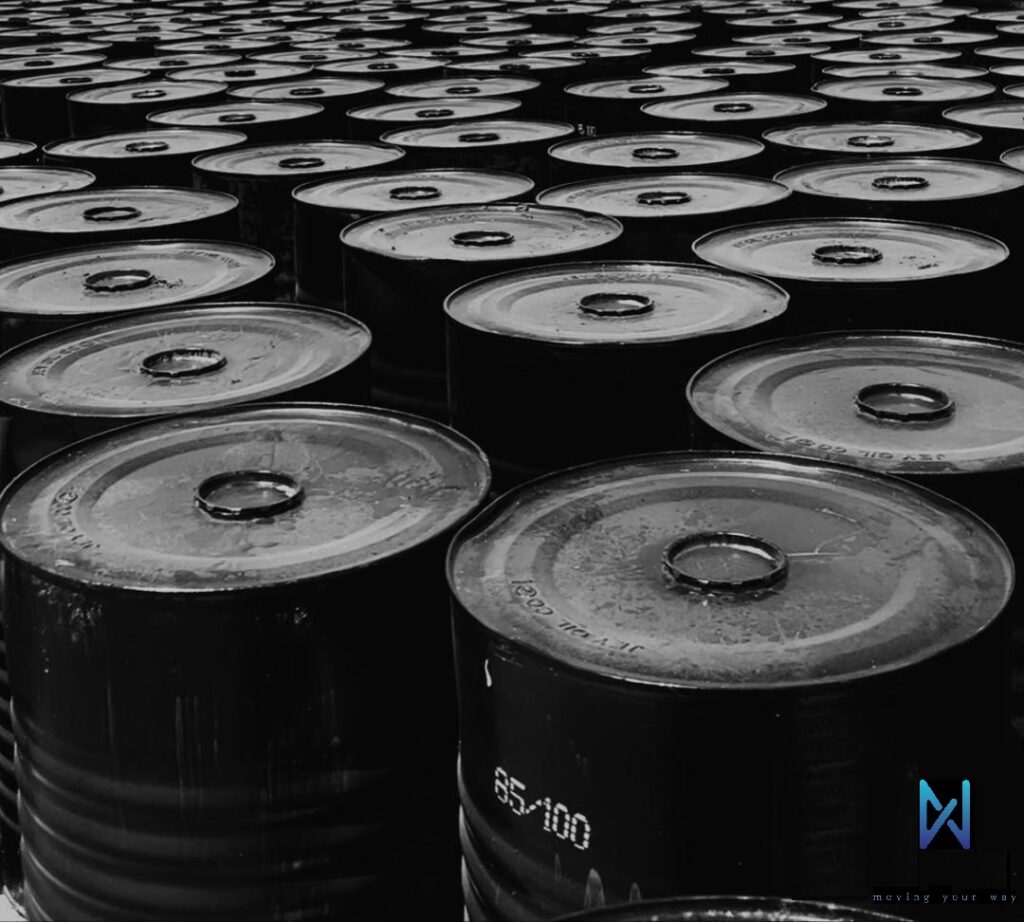
The ongoing Iran–Israel war is increasingly shaping bitumen pricing across African markets, primarily through its direct impact on shipping costs and regional supply flows.
Rather than acting as separate pressures, the sharp rise in freight rates is a direct outcome of the conflict. Since tensions escalated in early 2026, vessels operating out of the Middle East Gulf have been subject to war-risk premiums, stricter routing conditions, and reduced availability. This has significantly increased the cost of transporting bitumen cargoes to African destinations.
Markets with the strongest reliance on Gulf-origin material are seeing the fastest impact. In East Africa, where imports from Iran form a key part of supply, delivered prices have risen quickly as higher freight costs feed straight into import bills. Shipments to ports such as Mombasa and Dar es Salaam have become notably more expensive within a short timeframe.
The situation is further amplified inland. In countries like Kenya, higher fuel prices—partly influenced by the same geopolitical instability—are pushing up trucking costs, compounding the effect of elevated import prices on final delivered values.
In West Africa, the transmission has been slower but is expected to follow the same trajectory. Nigeria has so far been partially insulated due to existing inventories purchased before the escalation. However, as these volumes are replaced with higher-cost cargoes, the effect of war-driven freight increases is likely to become more visible.
Landlocked markets in the region are already experiencing stronger pricing pressure, as they face both elevated seaborne freight costs and expensive overland transport from coastal entry points.
Southern Africa is adjusting through a shift in sourcing. Reduced availability of competitively priced Gulf supplies—again linked to the conflict—has led buyers to turn toward Mediterranean exporters such as Türkiye and Greece. This diversification comes with longer shipping routes and inherently higher logistics costs.
Despite these cost pressures, demand remains relatively stable, supported by ongoing infrastructure and road construction activity across the continent.
As long as the Iran–Israel war continues to disrupt shipping conditions in the Gulf, freight costs are expected to remain elevated. In turn, logistics—not supply fundamentals alone—will continue to be the dominant force driving bitumen prices in African import markets.