Singapore and Mediterranean Hubs Emerge as Key Shock Absorbers in Bitumen Trade
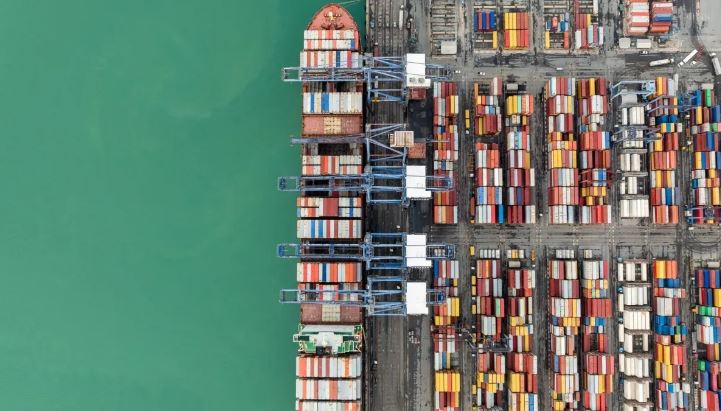
Global bitumen trade is increasingly shaped by strategic logistics hubs, with Singapore and Mediterranean exporters playing pivotal roles in balancing supply disruptions. As shipping routes face mounting pressure, these hubs are proving essential in maintaining market stability — though not without their own vulnerabilities.
Singapore has solidified its position as a central redistribution and blending hub rather than a major consumer. Despite minimal import volumes, it ranks among the world’s top exporters, supplying key markets across Southeast Asia and Australia. Its advanced infrastructure, storage capacity, and dense shipping connectivity provide traders with flexibility during supply shocks.
However, recent events have exposed the limits of this system. In 2026, supply issues forced major Singapore refiners to halt exports temporarily, triggering price spikes and forcing buyers to seek alternatives in South Korea, Thailand, and the Middle East.
Meanwhile, the Mediterranean region continues to function as a flexible “swing supplier” for Europe and Africa. Countries such as Greece, Italy, Spain, and Turkey supply diverse markets across North and West Africa. Yet shifting trade patterns have already emerged, with North African importers adjusting sourcing strategies in response to price and availability changes.
Experts suggest that resilience in the bitumen market increasingly depends on access to such hubs. Rather than relying on single suppliers, buyers are prioritizing logistical flexibility and multi-origin sourcing to navigate an increasingly uncertain global trade environment.