India and Africa Bear the Brunt as Gulf Shipping Risks Disrupt Bitumen Supply
Rising geopolitical tensions in the Gulf region are placing increasing pressure on bitumen supply chains, with India and several African nations facing the greatest exposure. As disruptions intensify around the Strait of Hormuz, freight costs and delivery timelines have become unpredictable, driving up infrastructure expenses.
India, one of the world’s largest bitumen importers, relies heavily on Gulf suppliers such as Iraq, the United Arab Emirates, Iran, and Oman. While the country maintains significant domestic production, imports remain essential to sustain its expansive road-building agenda. As shipping risks escalated in early 2026, the cost of securing marginal supply surged, quickly feeding into domestic project budgets.
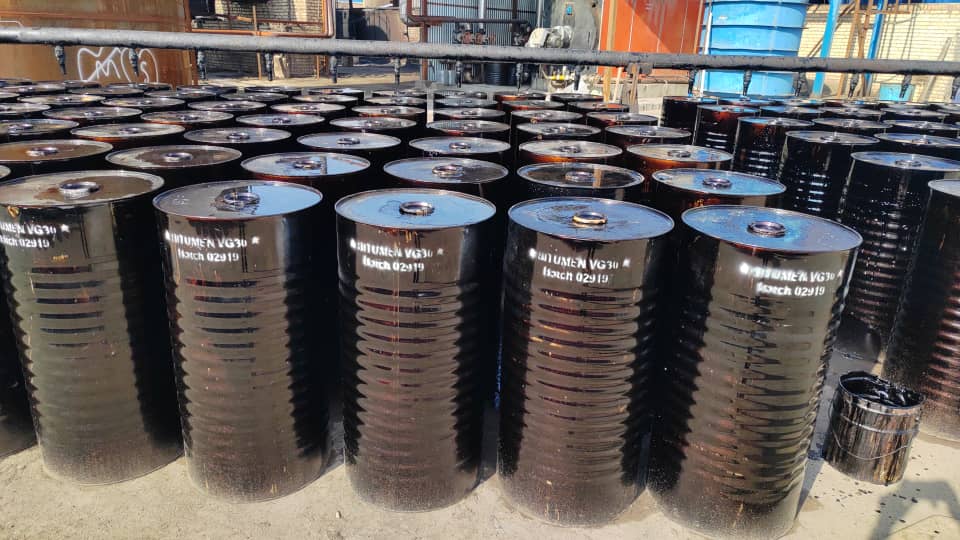
The impact has been even more pronounced in East and Southern Africa, where dependence on imported bitumen is nearly absolute. Freight rates for drummed bitumen shipments to ports like Mombasa and Dar es Salaam more than doubled within weeks, driven by war-risk premiums and shipping bottlenecks.
Industry observers note that bitumen’s logistical complexity amplifies these challenges. With limited vessel availability and strict temperature requirements during transit, even minor disruptions can lead to significant cost spikes.
The situation highlights a broader vulnerability: infrastructure development in emerging markets is increasingly tied to geopolitical stability in distant maritime corridors. Without diversification strategies and improved storage capabilities, these regions remain highly exposed to future shocks.