Bitumen (VG10)
Bitumen VG10 Supplier
VG10 Bitumen is a viscosity-grade paving binder characterized by its relatively low viscosity compared with higher VG grades. It is primarily selected for asphalt and road applications where good workability, adequate flexibility and reliable performance under lower or moderate temperature conditions are required.
Because VG10 is often bought by emulsion and PMB manufacturers rather than road contractors, buyers should specify whether they need certified viscosity results at 135°C only, or the full IS 73 / ASTM panel — some suppliers only test what’s cheapest to test.
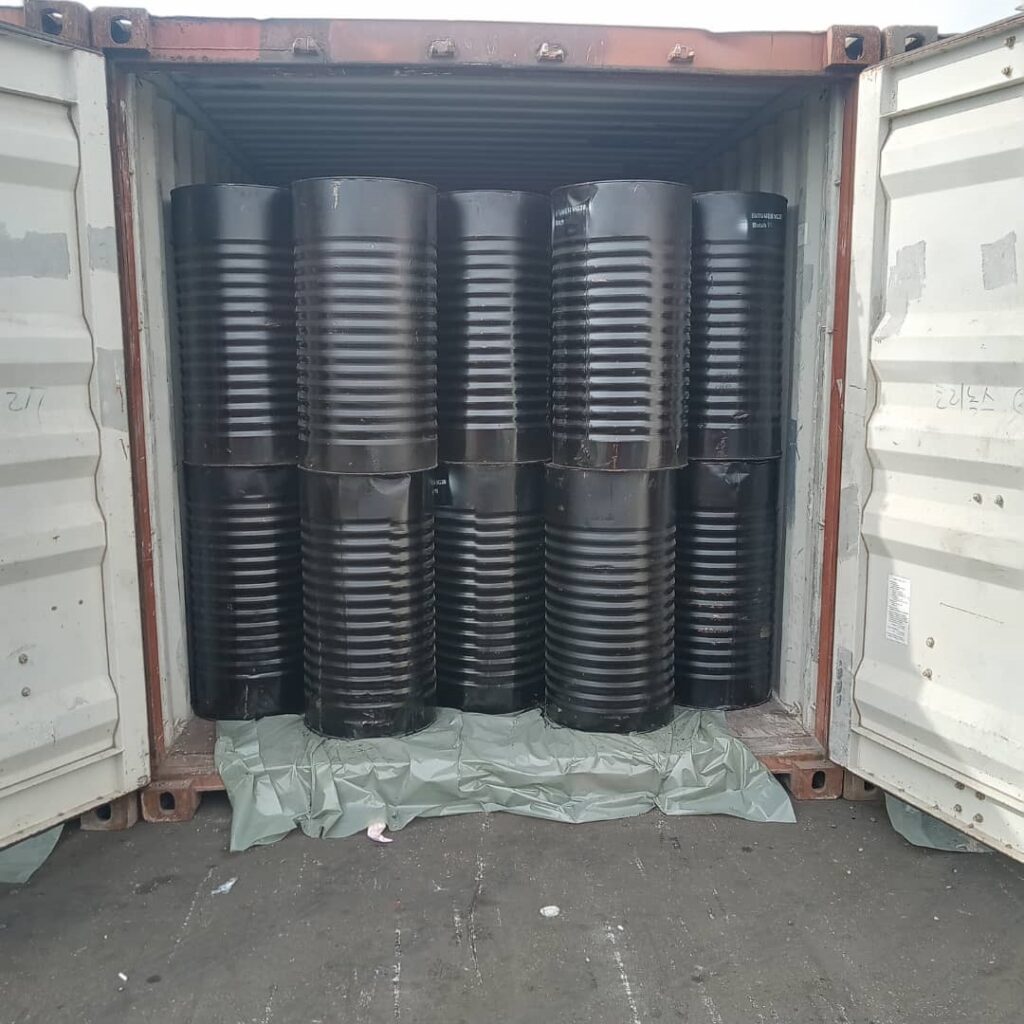
NEXOIL exports Bitumen VG10 in bulk and drums with full COA documentation, and can coordinate SGS inspection or PVoC certification for regulated destination markets. Contact us with your destination and intended use (paving, emulsion, or PMB feedstock) for an accurate quote.
Classified according to its viscosity characteristics, VG10 provides a controlled balance between handling properties and pavement performance. Its lower viscosity makes it particularly relevant to applications where a softer and more workable binder is required, including selected road surfacing, surface treatments and asphalt mixtures designed for cooler climatic conditions.
VG10 Bitumen for Road Construction
The selection of a viscosity-grade binder is closely related to pavement temperature, traffic loading and the required rheological behavior of the asphalt mixture.
This kind of viscosity grade bitumen has a lower viscosity than VG20, VG30 and VG40. This characteristic can provide improved workability during asphalt production and placement while allowing the binder to maintain the flexibility required under suitable service conditions.
VG10 rarely goes straight into a road surface on its own. Its real job is upstream: it’s the preferred feedstock for bitumen emulsion plants (because its lower viscosity emulsifies more easily) and for polymer-modified bitumen producers who need a soft base to blend polymers into. When it is used directly in paving, it’s for cold-region surface dressing and repair patching — jobs where crews can’t wait for a stiffer binder to become workable in low ambient temperatures.
Typical applications of VG10 include:
Road construction and pavement surfacing
Asphalt mixtures for cooler climatic conditions
Surface dressing and surface treatment applications
Spraying applications where the specification permits
Asphalt maintenance and rehabilitation
Production of bitumen emulsions
Selected applications involving further bitumen modification- PMBs
The suitability of VG10 depends on the complete pavement design. Climate, pavement temperature, traffic intensity, aggregate characteristics and the applicable national or project specification should be considered before selecting the binder grade.
Engineering Characteristics of VG10
At 60°C, VG10 has a minimum absolute viscosity of 800 Poise under commonly referenced viscosity-grade specifications. Its relatively lower viscosity distinguishes it from the higher VG grades and contributes to easier handling and processing.
At asphalt production and placement temperatures, the binder must provide sufficient flow and coating characteristics to enable effective mixing with mineral aggregates. At service temperatures, its consistency should be appropriate for the climatic and loading conditions for which the pavement has been designed.
VG10 can therefore be considered where excessive binder stiffness is undesirable and where maintaining adequate flexibility and workability is an important part of the pavement specification.
However, viscosity grade should not be interpreted as a direct measure of overall pavement quality. Aggregate structure, asphalt mixture design, compaction, drainage, traffic loading and construction practices all have a significant influence on final pavement performance.
VG10 Bitumen in Cold and Moderate Climates
Temperature has a direct effect on asphalt binder behavior. As temperature decreases, bitumen becomes progressively more viscous and less flexible. Selecting an excessively stiff binder for a cold environment can therefore increase the risk of undesirable low-temperature behavior.
VG10, being the lower-viscosity grade within the conventional VG10–VG40 range, can be considered for projects where relatively softer binder characteristics are required.
Its use should nevertheless be determined through the applicable pavement specification rather than climate alone. Modern binder selection increasingly considers actual pavement temperatures, traffic conditions and the performance requirements of the asphalt mixture.
VG10 vs. VG20
VG10 and VG20 are both viscosity-grade paving binders, but VG20 provides a higher viscosity level.
VG10 is generally considered where greater workability and a relatively softer binder are appropriate, while VG20 provides increased consistency and is more suitable for applications requiring a higher level of resistance to deformation under service conditions.
The choice between these grades should be based on the project specification, climate, traffic loading and pavement design rather than simply selecting the lower or higher viscosity grade.
Production & Quality Control
VG10 Bitumen is produced from petroleum-derived feedstocks through controlled refinery processes designed to achieve the required viscosity and associated physical properties.
Because feedstock characteristics and refinery configuration can influence the final binder, the grade designation alone should not be considered sufficient evidence of product conformity. Laboratory testing against the agreed specification provides the appropriate basis for quality verification.
For international shipments, Nexoil can provide shipment-specific technical documentation, including a Certificate of Analysis (COA). Where required, independent inspection and destination-specific conformity procedures can also be incorporated into the supply program.
International Supply of VG10 Bitumen
VG10 is commercially relevant to markets requiring a lower-viscosity paving binder for road construction, surface treatment and selected asphalt applications.
For international buyers, product selection is only one component of the procurement process. Packaging, loading conditions, shipment schedule, inspection, documentation and destination requirements can have a direct impact on the execution of an international bitumen supply contract.
Nexoil, as an international bitumen supplier, coordinates VG10 supply according to the buyer’s required grade, quantity, destination, packing method and technical specification.
NEXOIL │Bitumen VG10 Supplier
Unlike penetration-grade bitumen, VG10 is defined by how it flows, not how deep a needle sinks into it. This distinction matters more than it sounds: two batches of “80/100 penetration” bitumen can behave very differently once heated for mixing, while VG classification pins down viscosity at 135°C — the actual temperature asphalt plants care about.
Sourcing Note for Buyers
Because VG10 is often bought by emulsion and PMB manufacturers rather than road contractors, buyers should specify whether they need certified viscosity results at 135°C only, or the full IS 73 / ASTM panel — some suppliers only test what’s cheapest to test.
NEXOIL exports bitumen VG10 both in bulk and drums with full COA documentation, and can coordinate SGS inspection or PVoC certification for regulated destination markets. Contact us with your destination and intended use (paving, emulsion, or PMB feedstock) for an accurate quote.
For current VG10 requirements, provide Nexoil with your destination, required quantity and applicable specification so that the appropriate technical and commercial supply proposal can be prepared.
| Specification | Unit | Value | Test Method |
| Absolute Viscosity, at 60 ◦C | Poise | Min 800 | ASTM D4402 |
| Kinematic Viscosity, at 135 ◦C | CST | Min 250 | ASTM D2170 |
| Flash Point | ◦C | Min 220 | ASTM D93 |
| Solubility in Trichloroethylene | %WT | Min 99 | ASTM D2042 |
| Penetration Value, at 25 ◦C | 0.1mm | 80-100 | ASTM D5 |
| Softening Point | ◦C | Min 40 | ASTM D36 |
| Thin-Film Oven Test (TFOT) | |||
| Viscosity Ratio, at 60 ◦C | ◦C | Max 4 | ASTM D4402 |
| Ductility at 25 ◦C | Cm | Min 75 | ASTM D113 |