Aging Fleet and Global Chokepoints Intensify Pressure on Bitumen Logistics
Structural weaknesses in global shipping infrastructure are adding new pressure to the bitumen market, as an aging tanker fleet and key maritime choke-points strain supply chains. These challenges are reshaping how the construction industry approaches procurement and risk management.
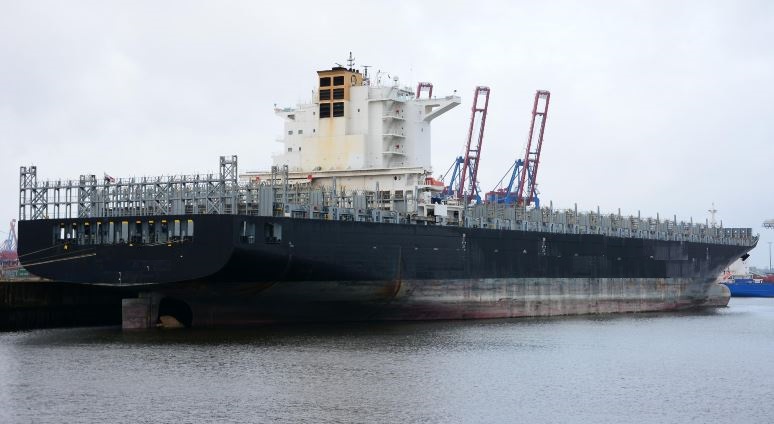
Bitumen transport requires specialized heated vessels, yet the global fleet remains small and relatively old. With only a few hundred ships in operation, disruptions such as maintenance delays or route diversions can quickly tighten supply and drive up freight costs.
Compounding the issue are critical chokepoints including the Suez Canal, Bab el-Mandeb, and the Turkish Straits. Disruptions in these areas — whether due to geopolitical tensions, security threats, or environmental factors — reduce vessel availability and extend shipping times. Recent declines in Suez Canal traffic and rerouting around Africa have further increased costs and delivery uncertainty.
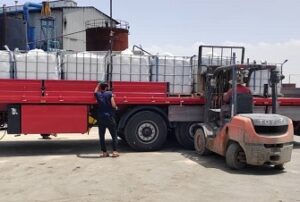
Containerized shipments, often used where bulk infrastructure is lacking, provide flexibility but come at a higher cost, particularly during periods of elevated freight rates. This has been especially evident in African markets, where logistical constraints amplify price volatility.
Industry leaders are now calling for a shift in approach. Rather than focusing solely on supplier diversity, emphasis is moving toward corridor resilience — ensuring access to multiple shipping routes, storage facilities, and contract structures that account for freight volatility.
As global infrastructure demand continues to rise, the ability to navigate maritime risks may prove just as important as securing the raw materials themselves.