Iraq Reduces Gasoline and Diesel Imports as Output Rise
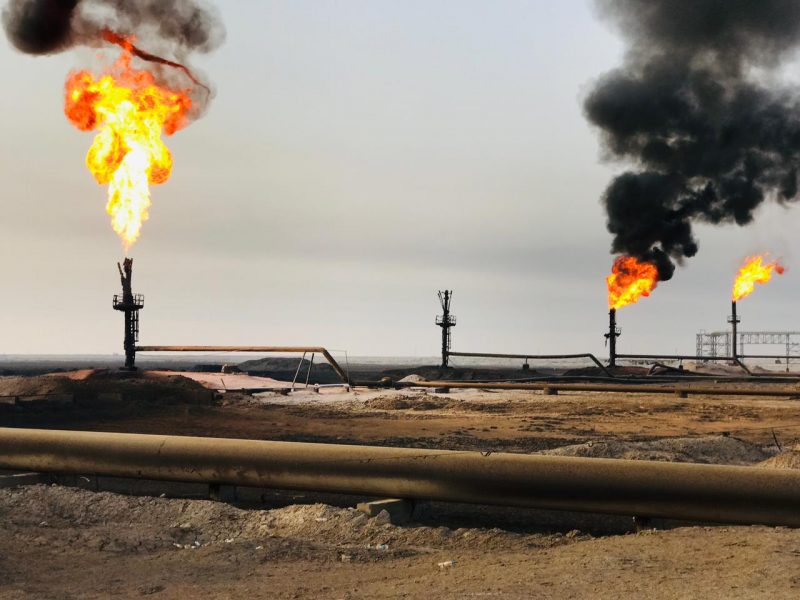
Iraq has ordered a halt to imports of middle distillates-gasoline, diesel (gasoil), and kerosene-after Prime Minister Mohammed Shia Al Sudan declared domestic self-sufficiency, citing higher crude output and expanding refining capacity. The move follows a sustained rise in upstream production, supported by OPEC+ quota increases and the ramp-up of the Nasiriyah field, where nine wells have lifted output to about 80,000 b/d. National oil exports averaged 3.40–3.45 million b/d in September, reinforcing the government’s self-sufficiency narrative.
Downstream improvements have been central to this strategy. Since late-2022, the Oil Ministry has accelerated refinery upgrades, raising nameplate refining capacity to roughly 1.3 million b/d, with a near-term target exceeding 1.5 million b/d. This marks a recovery from earlier disruptions, notably the 2014 destruction of the 150,000 b/d Shamal (North) refinery by the Islamic State group. Oil price report implies that refinery modernization-particularly at Karbala, Basra, and Kirkuk-has sharply reduced dependence on imported fuels, especially gasoline and gasoil diesel, thereby lowering import costs and supporting economic growth.
However, Iraq’s claimed balance between production and domestic demand remains incomplete. Similar assertions were made previously: in 2024, the Deputy Oil Minister for Refining Affairs stated Iraq was self-sufficient in middle distillates, planning to import only about 40,000 b/d of gasoline while suspending gasoil and kerosene imports. In practice, Iraq continues to source high-octane gasoline and low-sulfur diesel grades that local refineries cannot yet produce to Euro-spec standards.
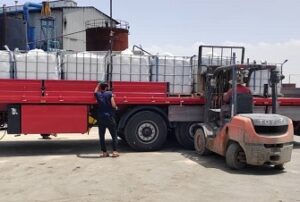
Trade data underline this gap. Customs records from the UAE and India (Q2 2025) indicate ongoing, though reduced, refined fuel exports to Iraq. Estimated gasoline imports averaged around 50,000 b/d in H1 2025, down markedly from approximately 120,000 b/d a year earlier-demonstrating significant progress, but not full product self-sufficiency across all specifications.