EU Sanctions Snapback Hits Iranian Shadow Fleet, Banking and Oil Sectors
The European Union has reinstated comprehensive sanctions on Iran following activation of the UNSC Resolution 2231 snapback by the E3 (France, Germany and the UK). The measures reverse sanctions relief granted under the 2015 JCPOA and took effect from September 27 at 8:00 p.m. EDT, with EU implementing regulations entering force between September 29 and 30, 2025.
At the core of the re-imposed regime are asset freezes and financial restrictions. The EU has re-designated more than 50 individuals and nearly 200 entities, including major banks, energy firms and shipping companies, whether located inside or outside Iran. New prohibitions restrict correspondent banking, joint ventures, insurance, public bond issuance after September 30, 2025, and access to financial messaging services. Fund transfers are now subject to authorization thresholds, with €10,000, €40,000, and €100,000 acting as key control levels, while humanitarian and medical transactions remain exempt.
Energy and trade measures form another central pillar. The EU has restored bans on imports of Iranian crude oil, petroleum products, petrochemicals, and natural gas, including gas swap arrangements. Export restrictions again cover oil and gas equipment, petrochemical technology, shipbuilding and naval equipment, industrial software, graphite, and raw or semi-finished metals such as aluminum and steel. Controls on dual-use and nuclear-related goods have also been fully re-imposed.
In parallel, the EU has reinstated investment and financing prohibitions. EU operators are barred from lending to, investing in, or forming joint ventures with Iranian entities involved in oil and gas exploration and refining, petrochemicals, dual-use or military manufacturing, and nuclear proliferation-related activities. Cooperation on natural gas transmission and LNG projects is prohibited, while Iranian investment in uranium mining, enrichment, or missile-related technologies remains banned.
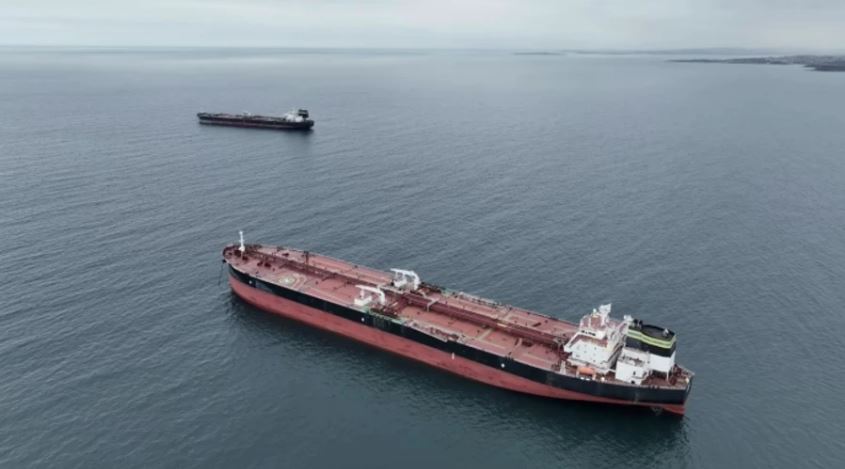
The sanctions package also tightens transport and shipping controls. From January 1, 2026, EU firms may no longer provide classification, certification, inspection or ship-related services to Iranian-flagged or Iranian-owned oil tankers, nor make vessels available for transporting or storing Iranian oil or petrochemical products.
Limited wind-down exemptions apply until January 1, 2026 for certain contracts signed before September 30, 2025, provided no funds or economic resources are made available to sanctioned parties. The measures apply broadly to Iranian persons, including entities outside Iran that are owned or controlled by Iranian interests, significantly expanding compliance exposure for EU operators.