Bangladesh Advances Shift to Concrete Pavements for Highways
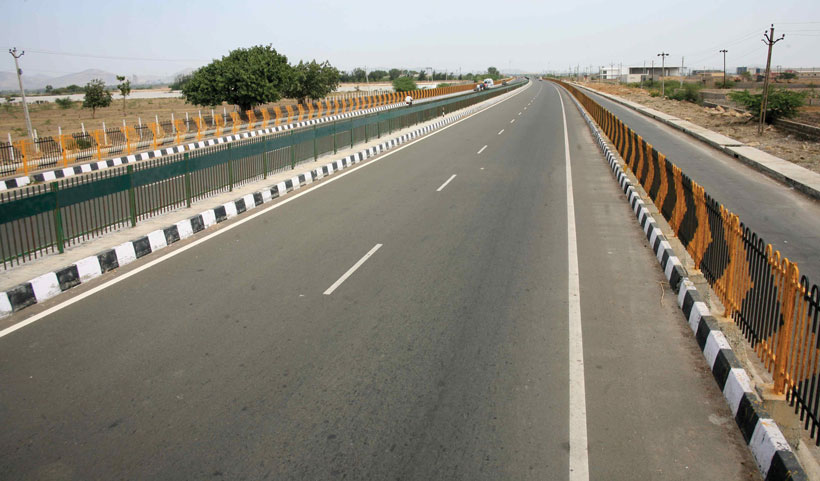
Concrete pavements are emerging as Bangladesh’s preferred solution for highways, offering superior resilience under heavy traffic and extreme weather. Trials by the Roads and Highways Department (RHD) confirm that rigid pavements last 20–30 years with minimal maintenance, compared with bituminous roads that require at least four major overhauls within 20 years.
The shift also addresses economic concerns. Concrete relies on locally sourced cement, sand, and stone, reducing dependency on imported bitumen and alleviating foreign exchange pressure. Despite 10–15% higher construction costs, lifecycle savings are significant, including approximately 20% lower fuel consumption for heavy trucks due to reduced rutting.
Implementation is already underway on major corridors. On the 190km Elenga–Hatikamrul–Rangpur highway, 90km has been completed with concrete, while the remaining 100km remains bituminous. On the Dhaka–Sylhet corridor, an 11km concrete pilot section is projected to save Tk54 crore, with construction accelerated by the ability to pour in light rain, though opening requires a 28-day curing period.
Bituminous pavements deteriorate rapidly under temperatures above 35–40°C, waterlogging, heavy rainfall, and overloaded trucks, especially in high-stress areas such as toll plazas and markets. Concrete surfaces, in contrast, maintain structural integrity under these conditions.
Experts point to global precedents. According to TBS News report, India mandated concrete for all new national highways in 2017, and US federal research from the 1970s showed that rigid pavements reduce maintenance costs and fuel consumption while withstanding heavy traffic and harsh climates. Furthermore, domestic experience mirrors that concrete sections on Bangladesh’s main corridors have remained largely maintenance-free despite overloading and poor drainage.
RHD officials and engineers recommend scaling up concrete pavement nationwide, emphasizing its combination of durability, economic efficiency, and climate resilience as the strategic choice for Bangladesh’s growing highway network.